The world is changing rapidly, and this has had a profound impact on the investment markets.
First the good news. As you know for most of our clients we use active management strategies designed to control losses when markets turn ugly. Over the past few weeks, they have turned ugly, indeed, but we are very happy at how well our portfolios have held up, in most cases doing much better than the markets, which is our intent. Besides a new experimental portfolio we are developing with my smarter brother Johnathan and some small 529 education accounts , the Jeff & Kim Camarda money is invested right along with clients’ money, and we are happy it is. Of course there has been some pain, but we are very confident the pain has been far less than that inflicted on most investors who follow the traditional investment methodologies promoted by academia, the media, and most advisors.
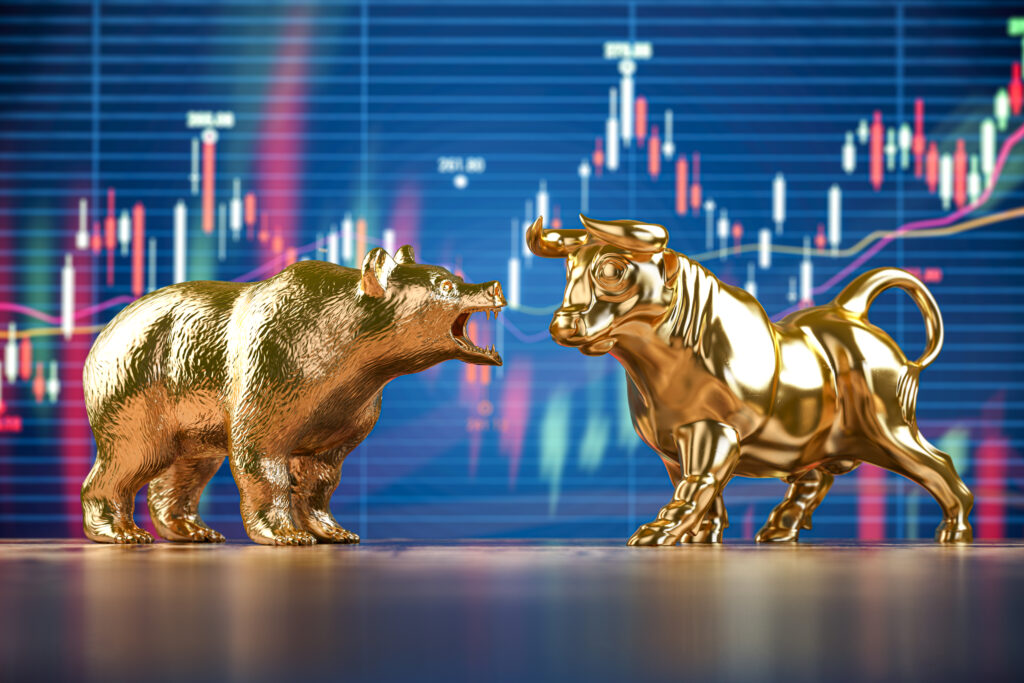
Chief Investment Officer Johnathan called a bear market last week, and our institutional technical indicators confirmed that a few days later. We are in the process of implementing the changes suggested by those indicators as I write and record this. In other words, continuing to sell based on the protocols for each portfolio in an effort to preserve value as this bear market unfolds. We are also taking some profit-from-down-markets positions in the portfolio models whose rules permit this.
In times like this, it is only human to begrudge any decline from the top when it comes to our portfolios, and human nature screams don’t sell until it goes back up! But in many cases this is fools’ logic, and only after time passes and a bear market grinds ever-downward do those that sold near the top appreciate how lucky they were.
It’s gotten really bad out there, and Kim and I are very grateful for the shelter the Camarda investment systems have provided us.
But is this just the beginning? How bad will it get?
To be clear, on the surface the recent sell offs look like typical – what some might call healthy – market correction activity. The “correction” term just means corrective repricing to more reasonable price levels, and given the lofty – even puffed-up – market levels of recent years, this is a plausible interpretation and may in fact be all that’s occurring. A correction is defined as a drop of 10% from the peak, and a bear market a drop of 20%. We think these are pretty naïve terms, but you get the picture. By these terms many markets are in correction and knocking on or just into bear territory status.
If a bear market has begun, we are convinced we are much, much closer to the top than to the bottom.
Let’s say that again! If a bear market has begun, we are convinced we are much, much closer to the top than to the bottom.
Regardless of the triggering cause for the plunge, the markets have been due to go down a peg for awhile.
The big question, of course, is how many pegs may be in the offing.
By most valuation measures, stocks are still pretty wildly overpriced. Still. Even after the recent plunges, valuation levels are quite high by historical standards.
Of course, we want to ride the uptrends as long as we can, while remaining cognizant that even in normal times, sooner or later, stocks were bound to fall as they always have in the past from such lofty valuations.
But we are now far, far from normal times.
The world has changed dramatically since COVID presented about 5 years ago as the stock market floated up into space even as world economies were seizing up and millions were dying. The world is changing even more dramatically now, with the US-driven tariff/protectionism regimen pretty unprecedented in history in its speed and scope. The similarities to the economic landscape of the 1930s are uncanny. This is not political commentary, just objective economic observation.
Whatever the ultimate impact is impossible to foretell, but I am hopeful that these sea changes will work out well for the US in the end.
That said we are in the beginning of massive, wrenching changes that are scaring many investors to death, and this is evident in the extreme levels of selling that have been building for weeks.
Remember, the market is ruled by greed and fear. When greed reigns, buyers outnumber sellers, and prices float up. When fear displaces greed, “SELL! SELL! SELL” becomes the order of the day, and prices plunge.
How low? Again this is impossible to tell. We all hope this is a normal bear market and will pass quickly. The average bear market according to Morningstar has lasted just under 10 months, and it that’s the case here this Christmas should be merry.
But as advisors and fellow investors, we feel it is prudent to consider the worst case scenario, and to devise contingency plans to survive and even prosper in the carnage should it occur. We feel we have the talent, the vison and the culture to do this extremely well. We think we can do it far, far better than most.
So please don’t cringe when I remind you that every 30 or 40 years there seems to be a killer crash. These notably occurred in 1929, the 1970s, and the early 2000s, and again with the 2008 Great Recession crash. These most recent two were nothing compared to the 30’s or 70’s and it’s been about 50 years since the last really big bear market.
The ’29 bear market lasted 4 years with losses of about 70%. After a bounce, another bear market began in ’37 lasting 5 years and costing 30%. Many investors emerged penniless.
This is ancient history for most of you, and the long grinding, stagflation market of the 1970s to early 1980s is probably just a foggy memory. Even the dot-com crash of the Y2K era was a quarter century ago, but you may remember that tech stocks – and aren’t they all tech stocks now? – plunged nearly 80% and took 16 years to break even.
Mega-crashes happen so rarely they’re off your radar. Humans are wired to think about last week, not last century. But when they come – especially in or near retirement – they can wipe you out.
Is one coming now? We hope and pray it is not, but one never knows. What is certain is that such plunges have occurred throughout recorded history, and will almost certainly come again. Rare is the sage that sees them coming.
So while Camarda earnestly hopes for the best, we can’t help but try to plan for the worst, to protect your families, and ours.
So as the market began unwinding earlier this year, we’ve been quietly making moves intended to marginalize the impact. We will watch our indicators extra-carefully going forward, and hope and pray we see a bottom and confirmed uptrend to signal happy days are indeed here again.
But as we fear this may not be the case, we will remain huddled in the War Room, planning strategies to control the carnage, and look for ways to actually profit from it. Money can be made in down markets as well as up, and if a Great Bear is coming, so is great opportunity for those who are bold enough to act and who know where to look.
Rest assured we are working tireless to protect and enhance your portfolios.
Video Transcript:
Howdy folks. It’s Dr. Jeff Camarda with a video and a blog post called What’s Happening in the Markets Now, Where the Market’s Headed, and What Camarda’s Doing About It.
Obviously, the world is changing very rapidly and this has had a profound impact on the investment markets. First, the good news. As you know, for most of our clients, we use active management strategies that are designed to control losses when markets turn ugly. Over the past few weeks, they’ve turned ugly indeed, but we’re very happy with how well our portfolios have held up. In most cases, doing much better than the markets, which obviously is our intent.
Besides a new experimental portfolio that we’re developing eventually for rollout to you guys with my smarter brother Jonathan, and some small 529 education accounts, the Jeff and Kim Camarda money—virtually all of it—is invested right along with clients’ money. And we’re very happy that it is. Of course there’s been some pain, but we’re very confident that the pain has been far less than that inflicted on most investors who follow the traditional investment methodologies promoted by academia, the media, and most advisers, which we think are fundamentally flawed, as I explored deeply in my book.
Chief Investment Officer Jonathan called the bear market last week, and our institutional technical indicators confirmed that a few days later. Now, we’re in the process of implementing the changes suggested by those indicators. Many have been implemented by the time you see this video, but we’re in the process of implementing as I wrote and as I’m recording this. In other words, continuing to sell based on the protocols for each portfolio in an effort to preserve value as this bear market unfolds.
We’re also taking some profit from down-market positions in the portfolio models whose rules present this, and basically looking to take exposures to things that go up when the markets go down.
In times like this, it’s only human to begrudge any decline from the top when it comes to our portfolios. And human nature screams, “Don’t sell until it goes back up.” But in many cases—in fact, in most cases—this really is fool’s logic. And only after enough time has passed, and a bear market grinds ever downward, do those that sold near the top after some decline appreciate how lucky they really were.
So, it’s gotten really bad out there, and Kim and I are very grateful for the shelter that the Camarda Investment Systems have provided us. But is this just the beginning? How bad will it get?
To be clear, on the surface, the recent sell-offs look like typical—what some might call “healthy market correction activity.” The term “correction” just means corrective repricing to more reasonable price levels. And given the lofty, even puffed-up, bubble-like market levels of recent years, this is a plausible interpretation and may in fact be all that’s occurring. You know, we don’t know for sure.
A correction is defined as a drop of 10% from the peak, and a bear market a drop of 20% from the peak. We think those are pretty naive terms, but you get the picture. By these terms, many markets are in correction and knocking on—or just into—bear market territory status, depending on the market sector.
If a bear market has begun we are convinced that we are much, much closer to the top than the bottom. That bears repeating. Let me say that again: if a bear market has begun, we believe we’re much, much closer to the top than to the bottom. Markets can go down a lot, a lot, a lot from here.
Regardless of the triggering cause for the plunge, the markets have been due to go down a peg for a while. The big question, of course, is how many pegs may be in the offing before things turn around. By most valuation measures, stocks are pretty wildly overpriced. Still, even after the recent plunges, valuation levels are quite high by historical standards.
Of course, we want to ride the uptrends as long as we can, while remaining cognizant that even in normal times, sooner or later, stocks were bound to fall—as they always have in the past from such lofty valuations. But we are now far from normal times. Things are changing rapidly.
The world has changed dramatically since COVID presented about five years ago, as the stock market for the most part floated up into space. Even as world economies were seizing up, plunged into darkness, and millions and millions were dying, the world is changing even more dramatically now with the U.S.-driven tariff protectionism regimen—pretty unprecedented, by the way, in the history of the United States in its speed and scope. The similarities to the economic landscape of the 1930s are uncanny.
Now, this is not political commentary, please. Just objective economic observation. Things are changing fast, big time. Whatever the ultimate impact is, it is impossible to foretell. But I’m hopeful that these sea changes will work out well for the U.S. in the end. I really am quite hopeful of that.
That said, however, we are in the beginning of a massive wrenching change—change that is scaring many investors to death. This is evident in the extreme levels of selling that have been building for weeks.
Remember the market is ruled by the two gods of greed and fear. When greed reigns, buyers outnumber sellers and prices float up, sometimes to very unreasonable unsustainable levels. When fear displaces greed, as appears to be happening now, “sell” becomes the order of the day and prices plunge.
How low? Again, this is impossible to tell. We all hope this is a normal bear market that will pass quickly. The average bear market, according to Morningstar, has lasted just under 10 months. And if that’s the case, this will be a very merry Christmas indeed this year.
But as advisors and fellow investors—our money right there with yours—we feel it is prudent to consider the worst-case scenario and to devise contingency plans to survive and even prosper in the carnage should it occur. We feel we have the talent, the vision, and the culture to do this extremely well. We think we can do it far, far better in fact than most investors and advisers out there, particularly in troubled times like this.
So please don’t cringe when I remind you that every 30 or 40 years it seems there’s a killer crash. These occurred notably in 1929, the 1970s, and the early 2000s, and again with the 2008 Great Recession crash. These two most recent were nothing compared to the 30s and 70s, and it’s been about 50 years since the last really big bear market.
The 1929 bear market lasted four years with losses of about 70%. After a bounce, another bear market came right again in 1937, lasting 5 years and costing 30%. Many investors emerged penniless. This is ancient history for most of you. And the long grinding stagflation market of the 1970s to early 1980s is probably just a foggy memory. I was in high school and then college. Even the dot crash of the Y2K era was a quarter century ago. But you may remember that tech stocks—and aren’t all stocks tech stocks it seems these days—tech stocks plunged nearly 80% and took 16 years to break even.
Mega crashes happen so rarely that they’re just off your radar. Humans are wired to think about last week, not last century. But when they come, especially in or near retirement, they can wipe you out. Is one coming now? We hope and pray not. We really do. But one never knows.
What is certain is that such plunges have occurred throughout recorded history and will almost certainly come again. Rarely is there a sage indeed that sees them coming. But we certainly seem to be sitting on an economic and market upheaval powder keg now with all the change that’s occurred.
So, while Camarda earnestly hopes for the best, we can’t help but try to plan for the worst to protect your families and ours. So, as the market began unwinding earlier this year, we’ve been quietly making moves intended to marginalize the impact. We will watch our indicators extra carefully going forward and hope and pray that we see a bottom and confirmed uptrend to signal rather that happy days are indeed here again.
But as we fear this may not be the case, we’ll remain huddled in a war room planning strategies to control the carnage and look for ways to actually profit from it. And there are a lot of ways to do that. And we think we’re especially well positioned and trained to do that. Money can be made in down markets as well as up. And if a great bear is indeed coming, so is great opportunity for those bold enough to act and who know where to look.
Rest assured, folks, that we’re working tirelessly to protect and enhance your portfolios. And thanks so much for listening through this entire long-winded video. Thank you so much.